Why I am building PaddleSnitch
I paddle K1 marathon and scull on the Thames, and I want better data from my sessions than I can easily get. A GPS watch costs well over £100 and a stroke coach costs over £500. Strava and Garmin are built around running and cycling, so plenty of kayakers record their sessions as stand-up paddleboarding, because that mode counts strokes. Then they halve the numbers in their heads.
PaddleSnitch is my answer. You paddle a course whenever you like, upload your GPS track, and your time is verified and ranked. There is no start line and no officials, and nobody needs to be on the water the same morning. Upload any session and you get an analysis of your efforts, rests, pace and stroke rate. Alongside it I am building a cheap open-source tracker that records GPS and boat motion and syncs over Wi-Fi.
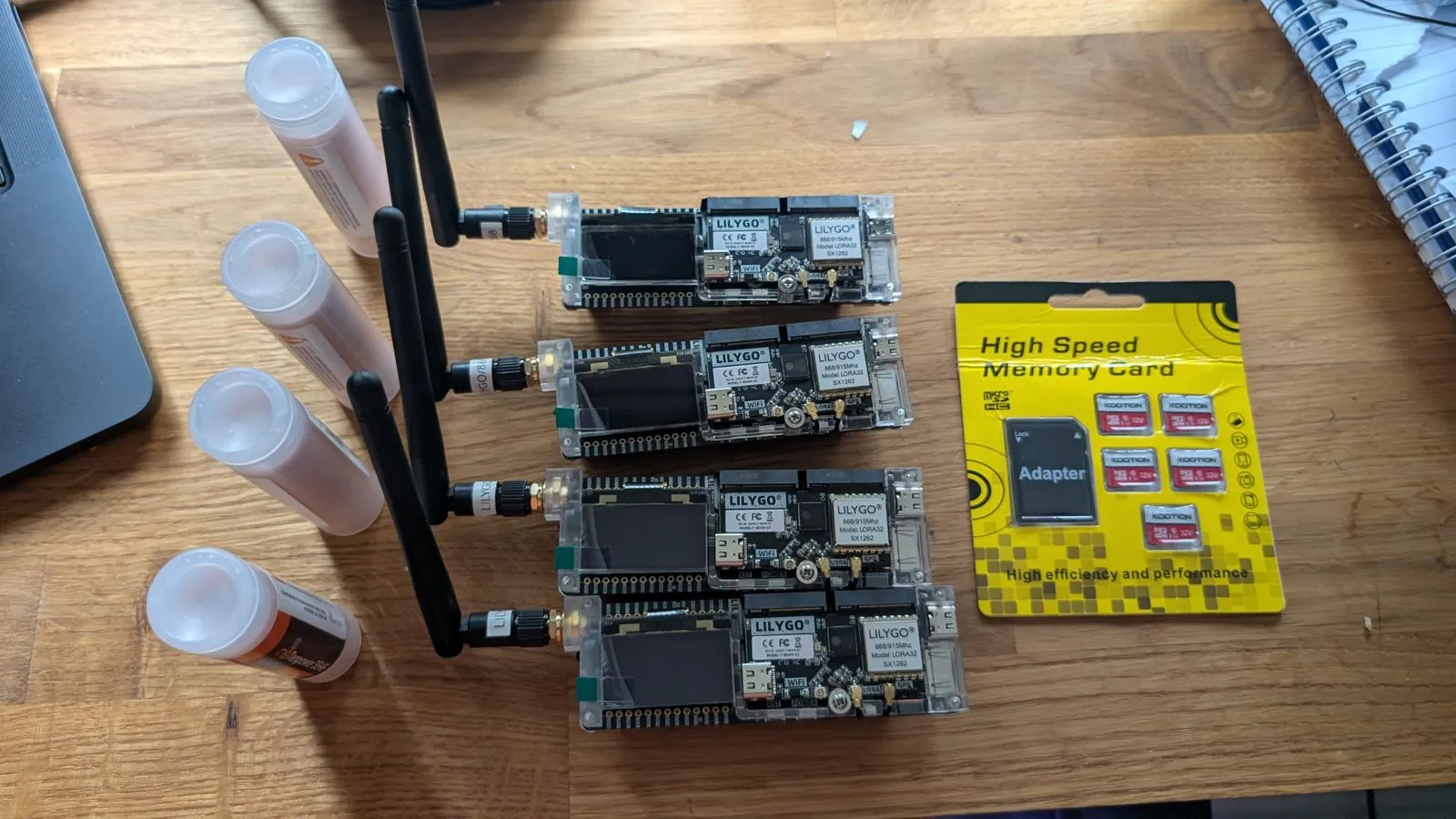
Cheap to run
A tracker will always cost something, because hardware is never free. So I wanted the software to add as little as possible to the bill, and every architecture decision went through that filter:
- Serverless functions that cost nothing when idle.
- Plain file storage instead of an always-on database.
- Maps from a free tile provider, after the paid one started demanding an API key.
- An AI coach that runs locally in development and on a cheap model in production, with every call time-boxed.
A budget alarm watches the account. Hosting costs about $30 to $40 a month, so a full year of hosting costs less than a single stroke coach.
Open source, all of it
The web platform, the infrastructure, the tracker firmware and the Android and iPhone apps are all public at github.com/baldur/paddlesnitch. None of these are novel ideas, and plenty of people have thought of them before me. I am building this because I want it to exist, not to lock anyone in. If you would rather run your own version for your club, or build your own tracker, take the source and go.
All of the code is the result of agentic coding anyway, so I am more than happy for you, or your agent, to join in. New features, support for more devices and bug fixes are all welcome.
If you see something, say something
Reporting a problem in PaddleSnitch creates an issue on GitHub. I have agents looking after those issues, and in some cases an agent submits a fix on its own. So every report counts, and I would love you to take part in making it better.
Your data
Running something like this is not expensive or hard. Other companies do what they can to protect their moat, and your data is part of that moat. I have no intention of making money from PaddleSnitch. I am doing it to have fun and to practise new skills.
You stay in control of your data. Your profile is private unless you make it public, and courses and trials can be public, private or limited to your club. From your account page you can download everything PaddleSnitch holds about you, or delete your account and all of that data with it. Every new type of personal data has to appear in both the download and the deletion, and a test checks that it does.
PaddleSnitch throws away heart rate data when it reads your files. The privacy page names every outside service the code talks to. I will email you before adding a new service or a new type of data.
Club fleets
The bigger idea is club fleets. Every boat in a club carries a small tracker. When the boats come back to the clubhouse and pick up the Wi-Fi, the sessions upload by themselves. Each athlete can then review pace, stroke rate and how the boat sat. There is no watch to buy, nothing to remember to press, and no £500 instrument per boat.
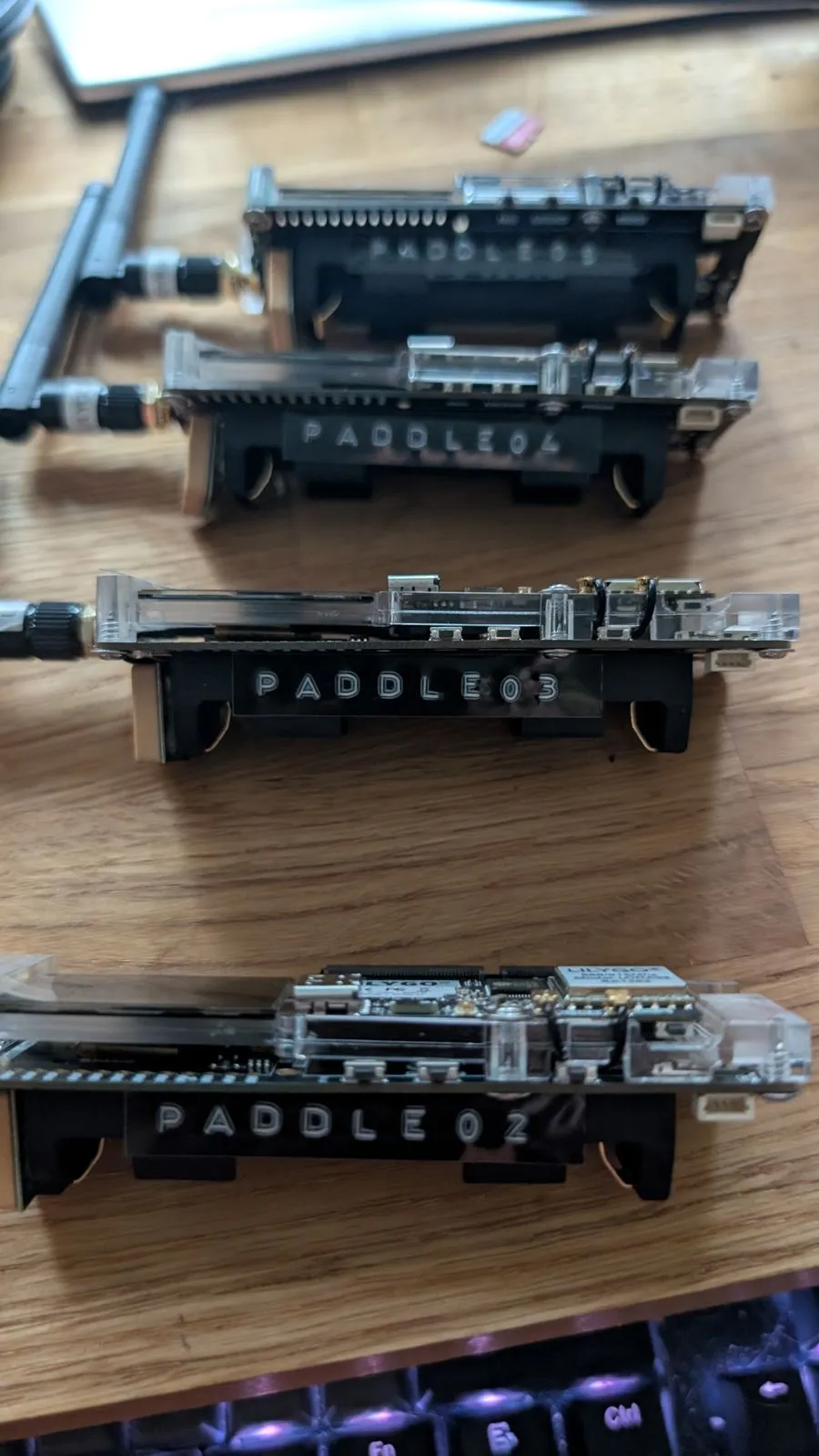
We only have five trackers in use at the moment. The goal is a hundred by the end of 2027.
If you paddle and want to race your local stretch of river, or you want to be a beta tester, find me at paddlesnitch.com.